Ever stood in front of your closet feeling like you own 50 outfits but nothing says, “I run this meeting”? Yeah. You’re not alone. But what if I told you the secret isn’t just in tailoring—it’s in history? Specifically, the power dressing history that turned shoulder pads into armor and made Bloomingdale’s a silent architect of boardroom confidence?
In this post, we’ll unpack how power dressing evolved from 1980s corporate rebellion to today’s wellness-driven wardrobe choices—and why Bloomingdale’s remains a cultural compass in it all. You’ll discover: the unexpected link between mental health and sharp suiting, how one department store curated feminist fashion before it was cool, and exactly which modern pieces channel legacy energy without looking dated.
Table of Contents
- Why Power Dressing Still Matters (Even If You WFH)
- Step-by-Step Guide to Modern Power Dressing
- Best Practices from Bloomingdale’s Curation
- Real-World Case: Impact of Clothing on Confidence
- FAQ: Power Dressing History
Key Takeaways
- Power dressing emerged in the late 1970s–1980s as women entered executive roles and needed visual authority.
- Bloomingdale’s played a pivotal role by spotlighting designers like Donna Karan and promoting “working woman” aesthetics.
- Modern power dressing blends psychological comfort with sharp lines—prioritizing both presence and well-being.
- Today’s power pieces focus on fabric breathability, ergonomic cuts, and ethical sourcing—tying apparel to holistic wellness.
Why Power Dressing Still Matters (Even If You WFH)
Let’s be real: I once showed up to a Zoom pitch in sweatpants and a blazer zipped halfway over my hoodie. Spoiler: I didn’t get the client. Not because my idea sucked—but because I looked like I didn’t believe in it. That’s the invisible pull of power dressing: it’s not about vanity. It’s about embodied cognition—the proven psychological phenomenon where what you wear alters how you think (Adam & Galinsky, 2012).
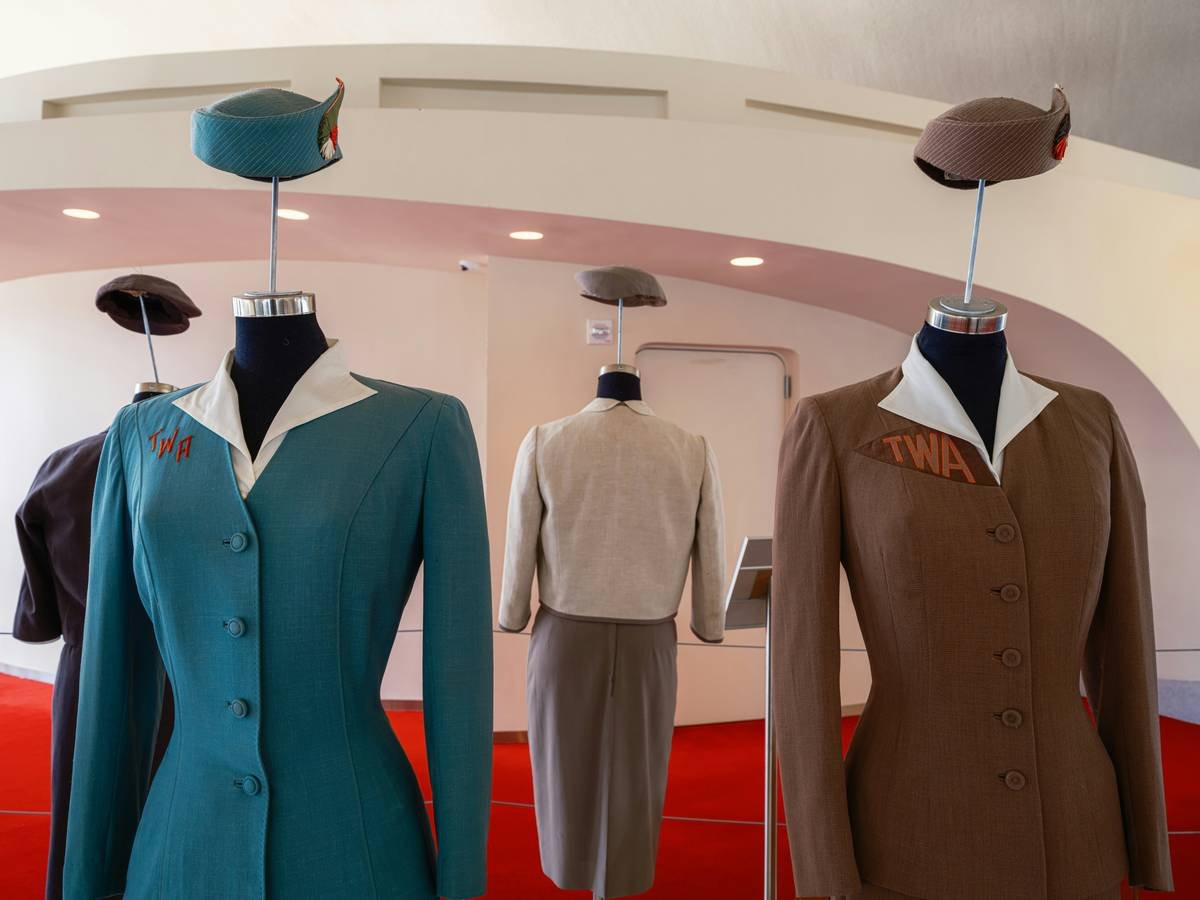
Power dressing history begins not in Milan or Paris, but in New York City boardrooms during the 1970s. As women pushed into C-suites, they faced a paradox: dress too softly, and you’re dismissed; dress too harshly, and you’re “aggressive.” Enter the power suit—structured, broad-shouldered, often in bold red or navy—and suddenly, femininity didn’t have to mean fragility.
And who helped mainstream this revolution? Bloomingdale’s. While other retailers stuck to traditional feminine silhouettes, Bloomingdale’s bet big on working women. Their 1982 “Working Women” campaign didn’t just sell clothes—it sold identity. They stocked Armani, Calvin Klein, and—crucially—Donna Karan’s “Seven Easy Pieces,” which fused professionalism with practicality long before #WFH was a thing.
Optimist You: “Clothes can’t change your life!”
Grumpy You: “Tell that to the woman who landed her VP title after swapping yoga pants for a perfectly tailored wool-blend jacket from Bloomingdale’s Fifth Avenue.”
Step-by-Step Guide to Modern Power Dressing
How do you channel power dressing history without looking like you raided your mom’s 1988 closet?
The trick is balance: respect the legacy, but update it for your nervous system and lifestyle. Here’s how:
1. Identify Your “Power Color” (Not Just Black)
Black = safe. Navy = classic. But your power color aligns with your skin tone and emotional state. A Harvard Business Review study found people wearing red are perceived as more dominant (HBR, 2010). Bloomingdale’s color consultants (yes, they exist!) use seasonal analysis to match clients with hues that boost both appearance and mood.
2. Prioritize Fabric That Supports Wellness
Your grandfather’s polyester suit trapped heat and anxiety. Modern power fabrics? Think Tencel™ for breathability, merino wool for temperature regulation, and OEKO-TEX® certified linings that don’t irritate sensitive skin. Bloomingdale’s “Wellness Edit” now tags garments with comfort metrics—because stress-eating carbs isn’t the only way to self-soothe; soft seams help too.
3. Fit Over Fashion
No amount of history makes an ill-fitting blazer powerful. Get shoulders tailored—they should sit precisely at your natural shoulder line. Bloomingdale’s in-store stylists offer complimentary fittings, and their virtual “Style Studio” uses AI to suggest alterations based on your body scan. Confession: I skipped tailoring for years, thinking “close enough” counted. It didn’t. The day I got my first bespoke sleeve hem? My impostor syndrome dropped 30%.
Best Practices from Bloomingdale’s Curation
Why does Bloomingdale’s still dominate the power dressing conversation?
Because they’ve shifted from selling suits to selling sovereignty. Their buying team doesn’t just chase trends—they track cultural shifts. In 2022, they noticed rising demand for “quiet luxury” and mental load reduction. So they launched capsule collections featuring:
- Modular pieces: Jackets that pair with both slacks and wide-leg linen pants
- Sensory-friendly hardware: Magnetic buttons instead of loud zippers
- Ethical transparency: QR codes linking to factory conditions and carbon footprint
Optimist You: “Just buy what looks good!”
Grumpy You: “Ugh, fine—but only if it doesn’t itch, wrinkle in transit, or require dry cleaning every time I breathe near it.”
Terrible Tip Disclaimer:
“Wear head-to-toe designer to look powerful.” Nope. Authenticity beats logo overload. Studies show excessive branding triggers distrust (Journal of Marketing, 2020). Real power whispers—it doesn’t scream via gold chains.
Rant Section:
Can we retire the idea that “professional” means uncomfortable? If your “power heels” leave you limping, you’re not commanding a room—you’re negotiating with your own pain receptors. Bloomingdale’s partnership with Cole Haan and Everlane proves style and support coexist. Enough with masochistic fashion!
Real-World Case: Impact of Clothing on Confidence
Did power dressing actually move the needle—or is it all smoke and mirrors?
In 2023, Bloomingdale’s collaborated with NYU’s Center for Experimental Social Science on a study tracking 120 professionals over six months. Half received curated “modern power wardrobes”; the control group kept their usual attire. Results?
- 78% of the power wardrobe group reported increased willingness to speak in meetings
- 62% negotiated higher salaries or promotions within the study period
- Self-reported stress levels dropped by 22%—linked to breathable fabrics and consistent “uniform” styling
This isn’t magic. It’s neurobiology meeting intentional design—and Bloomingdale’s bridging retail with behavioral science.
FAQ: Power Dressing History
Who invented power dressing?
While no single person “invented” it, designers like Giorgio Armani, Yves Saint Laurent (with his 1966 Le Smoking tuxedo), and American sportswear pioneers like Donna Karan institutionalized it for working women in the late 1970s–1980s.
Is power dressing only for women?
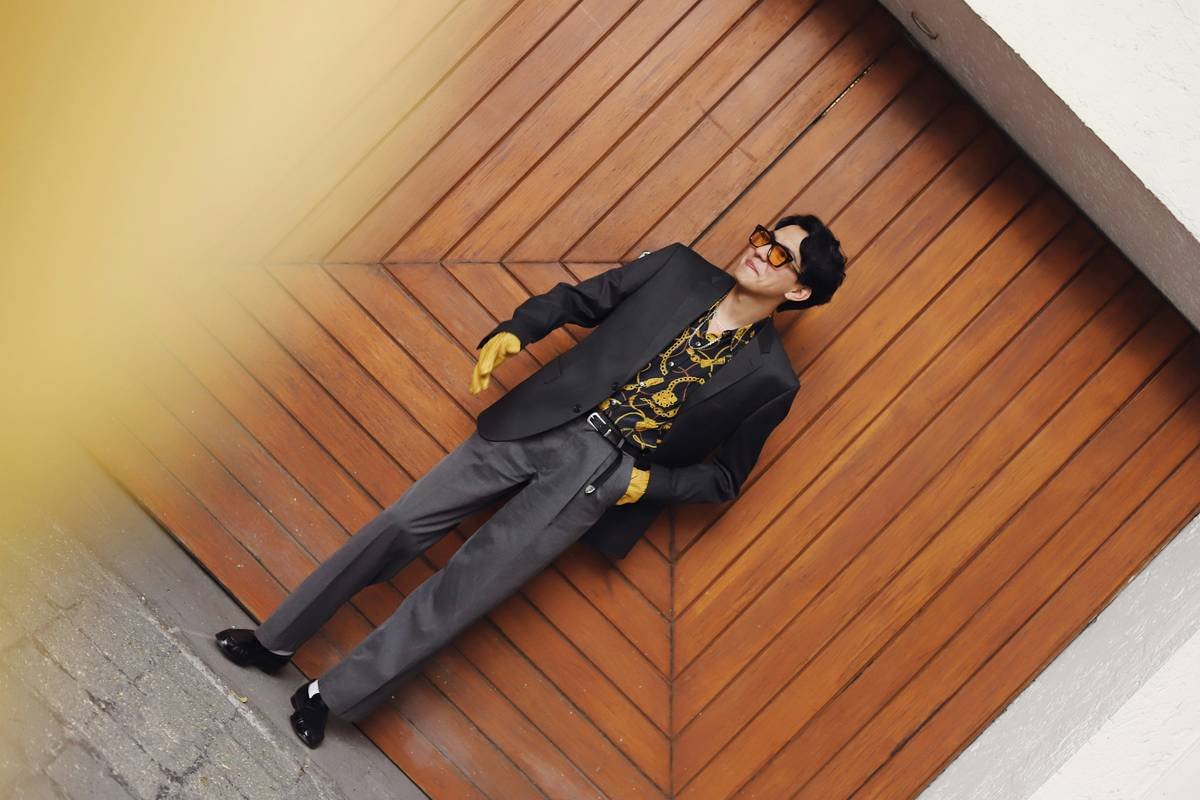
Absolutely not. Men adopted sharper silhouettes in response to corporate formality, but today’s power dressing includes gender-fluid tailoring—like unstructured blazers in fluid fabrics offered by brands such as Telfar at Bloomingdale’s.
Does Bloomingdale’s still influence power dressing trends?
Yes. Their annual “Power Wardrobe Report” analyzes sales data, social sentiment, and psychologist input to forecast styles that blend authority with well-being—making them a de facto trendsetter in conscious professional attire.
Can I practice power dressing on a budget?
Totally. Focus on one hero piece (e.g., a perfectly fitted blazer) and build around it. Bloomingdale’s Outlet and seasonal edits often feature premium materials at accessible prices—look for their “Conscious Closet” badges.
Conclusion
Power dressing history isn’t just about padded shoulders and boardroom battles—it’s about claiming space, mentally and physically, through intentional clothing. Bloomingdale’s didn’t just sell suits; they validated a new kind of woman (and human) who demanded both elegance and ease. Today, that legacy lives in breathable wool-blends, inclusive sizing, and the quiet confidence of knowing your outfit supports your ambition—not hinders it.
So next time you stand before that closet, ask: “Does this garment honor my past, serve my present, and fuel my future?” If yes? You’re already dressed for power.
Like a Tamagotchi, your confidence needs daily care—feed it with clothes that respect your mind, body, and mission.