Consumers want stylish clothes—but not at the cost of human dignity or environmental collapse. Yet major retailers like Bloomingdale’s still hide behind glittering storefronts while outsourcing their ethical dilemmas. The result? Greenwashing masquerading as sustainability and “conscious collections” built on shaky supply chains. But there’s a way forward—if you know where to look.
The Illusion of Ethical Retail in High Fashion
Bloomingdale’s markets itself as a curator of luxury. But luxury doesn’t automatically mean ethical. In fact, the opposite is often true. Fast-turnaround designer collaborations demand speed over scrutiny—pushing factories into corners where labor abuses flourish quietly.
And audits? Most are announced weeks in advance. Workers rehearse answers. Managers hide violations. It’s theater—not transparency.
The real issue isn’t intent—it’s structure. The fashion industry ethics framework most big-box retailers use was built for PR, not accountability.
Your Step-by-Step Guide to Spotting Real Ethics from Smoke and Mirrors
Trace Beyond the Tag
Look for brands that name specific factories—not just countries. If a label says “Made in India,” that’s geography—not ethics.
Demand Third-Party Certifications That Matter
Not all certifications are equal. Fair Trade Certified? Strong. “Eco-Friendly by Brand X”? Meaningless.
Evaluate End-of-Life Policies
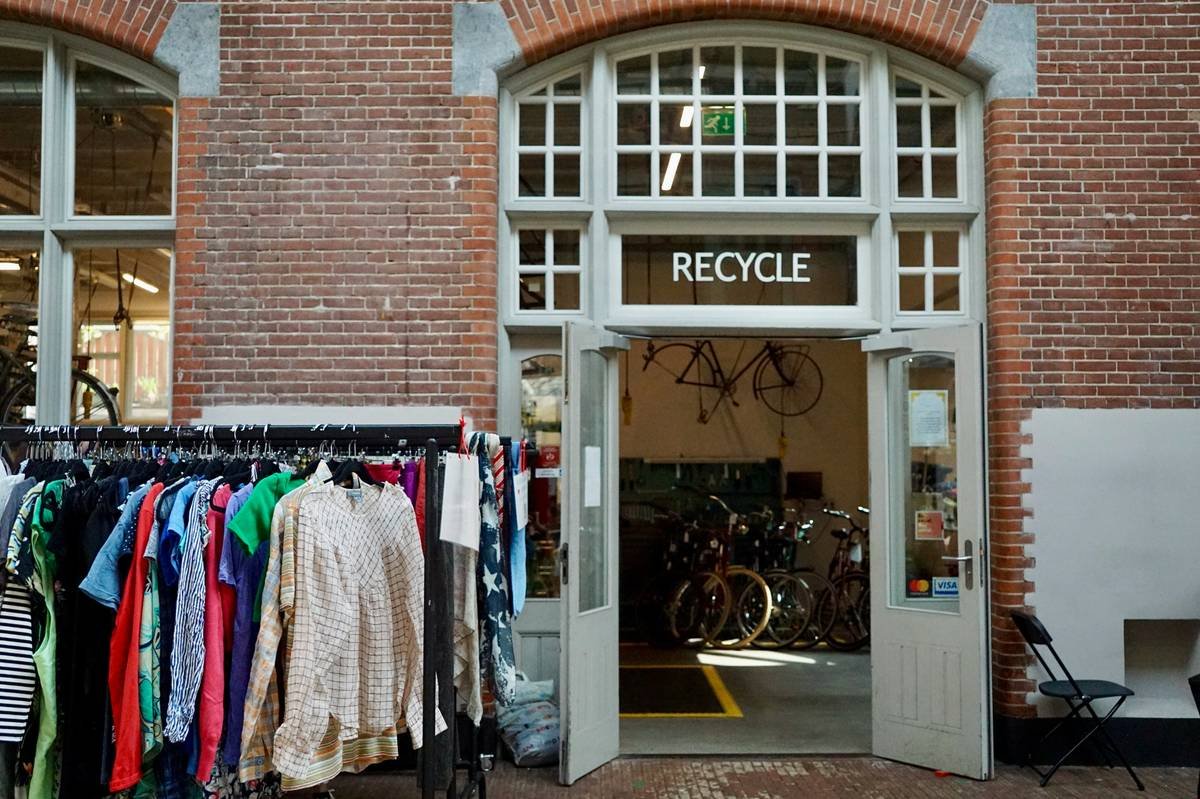
Does the brand take back worn items? Do they recycle fabric waste—or just donate unsold stock for tax write-offs? One is circularity. The other is charity theater.
| Ethical Signal | Superficial Claim | Substantive Action |
|---|---|---|
| Labor Conditions | “We partner with responsible suppliers” | Public factory list + unannounced audits by FLA or WRC |
| Environmental Impact | “Sustainable materials used” | Higg Index score published + water/chemical reduction targets |
| Transparency | “Committed to ethical fashion” | Annual impact report audited by independent firm (e.g., PwC) |
The Industry Secret: Tier-2 Suppliers Are Where Ethics Go to Die
Here’s what no retailer wants you to know: Bloomingdale’s might monitor its direct (Tier-1) factories—but it rarely tracks Tier-2 (fabric mills) or Tier-3 (dye houses, cotton farms). And that’s where the worst violations happen.
Think about it. A dress labeled “ethically made” could come from a clean-cut sewing unit… fed by a subcontracted dye facility dumping toxic sludge into rivers under cover of night. No oversight. No consequences.
I’ve seen internal compliance reports where brands discovered child labor two layers down—and quietly switched suppliers instead of fixing the system. The math is simple: silence costs less than reform.
Frequently Asked Questions
Does Bloomingdale’s use sweatshop labor?
They deny it—and likely don’t directly employ sweatshops. But without full supply chain visibility, they can’t guarantee their vendors’ vendors aren’t using exploitative labor.
Are luxury brands more ethical than fast fashion?
Not inherently. High price tags ≠ high standards. Many luxury houses outsource production to the same contractors as mid-tier brands—with fewer public disclosures.
How can I shop ethically at department stores like Bloomingdale’s?
Focus on third-party certified brands sold inside—not the store’s own labels. Ask for proof of audits. Vote with your wallet—and your questions.